Movement · 6 min read
Running through menopause: what Corri in Rosa taught us
Corri in Rosa 2026 in San Vendemiano: why movement matters even more in menopause, and how to start running after 50, one step at a time.
Movement · 6 min read
Corri in Rosa 2026 in San Vendemiano: why movement matters even more in menopause, and how to start running after 50, one step at a time.
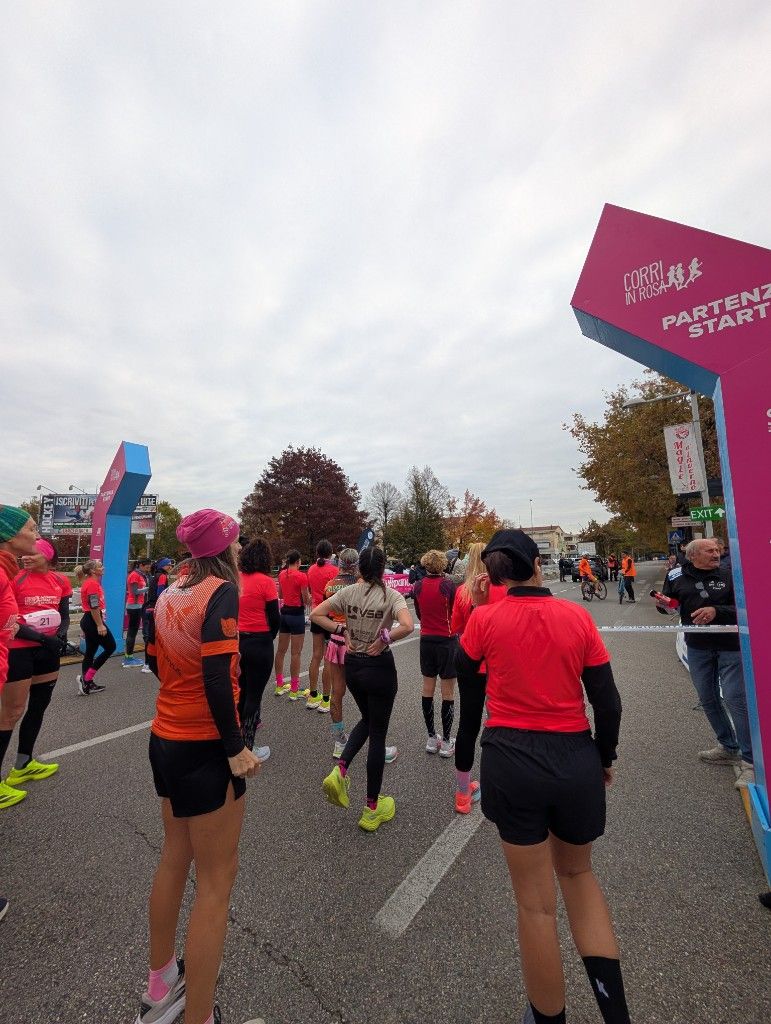
On Sunday, 8 November, thousands of women ran and walked together in San Vendemiano. Some for the very first time, others with years of miles in their legs. Many, like many of us, right in the middle of menopause.
Corri in Rosa is Italy's first women-only half marathon, and this year it celebrated its eleventh edition. Three routes, 6, 12 and 21 km, up to 3,000 participants and a purpose that goes beyond running: entry fees support women's health services at ULSS2 Marca Trevigiana, the local health authority.
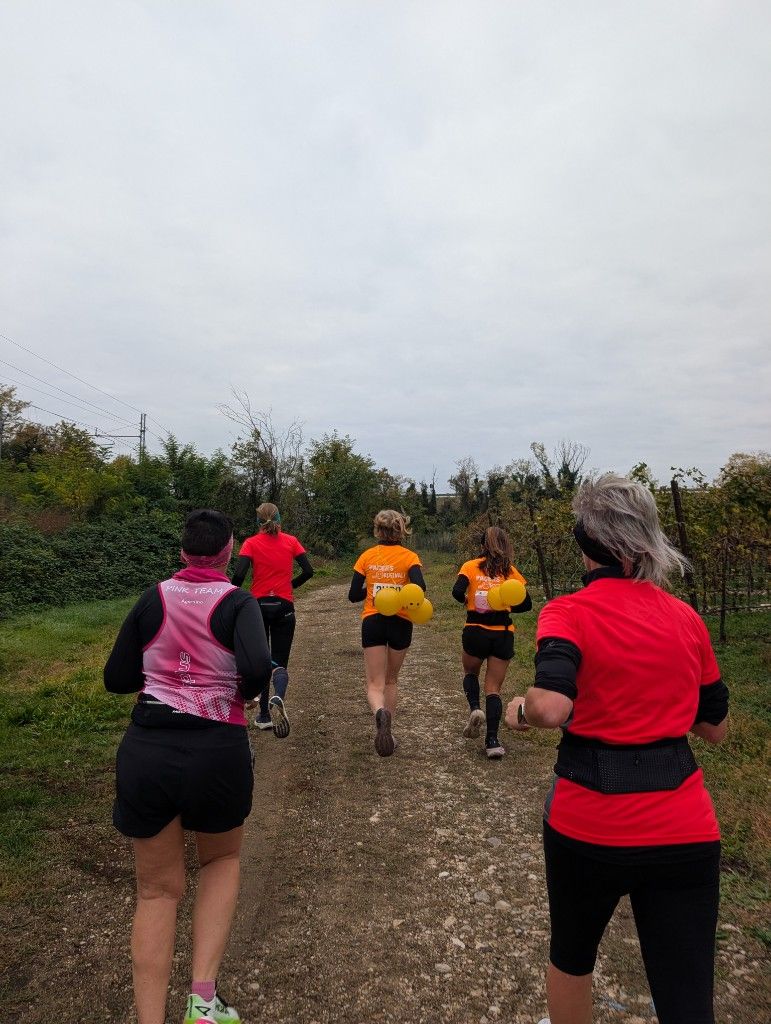
We were there too. And between conversations along the route, the same question kept coming up: does it make sense to start running, or to keep going, when your body is changing?
Menopause changes the body: metabolism slows down and falling hormone levels make bones more fragile. According to gynaecologist Elena Corradini of Humanitas Mater Domini, running and walking, unless there is a medical reason not to, help counter these changes.
And then there is something no study fully captures: the feeling of crossing a finish line together with other women. In San Vendemiano you could see it on every face.
You don't need to begin with a half marathon. In fact, Corri in Rosa's 6 km, with no medical certificate required and a free choice of route, makes a perfect first goal. The experts at Osteokinesis suggest this approach:
If you haven't been active for a while or have back or joint problems, talk to your doctor first. And if you can, work with a qualified coach, at least at the beginning.
The race ends at the finish line, but the best part often comes afterwards. Drinking enough, changing, sitting down for a moment and breathing. Allowing yourself a real pause, without rushing on to the next thing on your list.
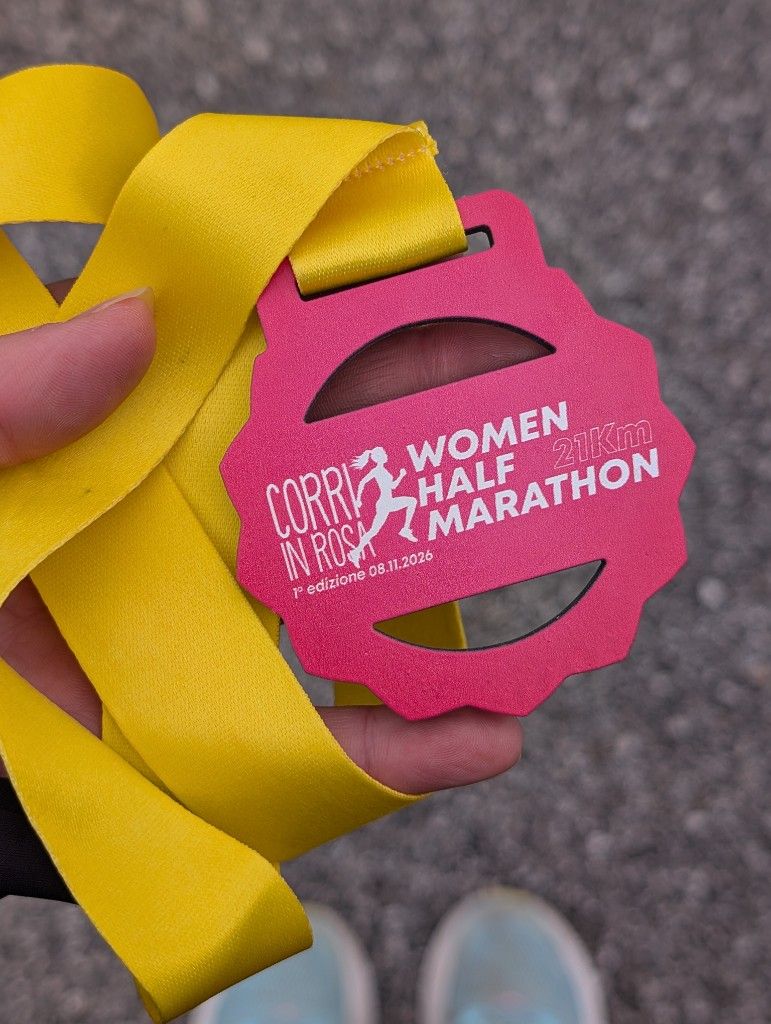
That's the same spirit our herbal teas were born from: a small ritual to slow down. A warm cup of Notte, with lemon balm, lavender, linden flowers and calendula, in the evening after a workout. Or Giorno, with sage, peppermint and red clover, before heading out early in the morning. Alpine herbs grown at 1,400 metres in South Tyrol, harvested by hand and dried slowly.
It's not about performance. It's about the time you take for yourself, before and after every kilometre.
Corri in Rosa reminded us of something simple: menopause isn't a finish line, it's a new start. Whether you walk 6 km or run 21, what counts is the step you take for yourself.
Thank you to all the women we met in San Vendemiano, and to ASD Tri Veneto Run for organising it. We'll be back next year. Will you?
This article is for information only and does not replace medical advice.
Sources